5 Common Garage Door Issues and How to Fix Them
Common garage door issues typically stem from worn-out springs, misaligned safety sensors, or faulty openers. Addressing these involves checking power sources, lubricating moving parts, and replacing hardware. For complex repairs, professional garage door repair ensures safety and longevity for Elk Grove homeowners looking to maintain home security.
What are the most common garage door issues in Elk Grove?
Living in Elk Grove, California, homeowners often face a specific set of garage door challenges influenced by both frequency of use and the local climate. The garage door is often the primary entrance to the home, meaning it cycles hundreds of times a year. This repetitive motion leads to inevitable wear and tear on components that are under immense tension.
Identifying the root cause of a malfunction is the first step toward a solution. Many residents report that their doors become sluggish, stop midway, or refuse to open at all. While some of these issues are minor, others indicate a structural failure that requires immediate attention from a professional Elk Grove garage door repair service.
Here are the most frequent issues encountered:
- Broken Torsion Springs: The most common cause of a door that won't lift.
- Misaligned Photo-Eye Sensors: Causes the door to reverse unexpectedly.
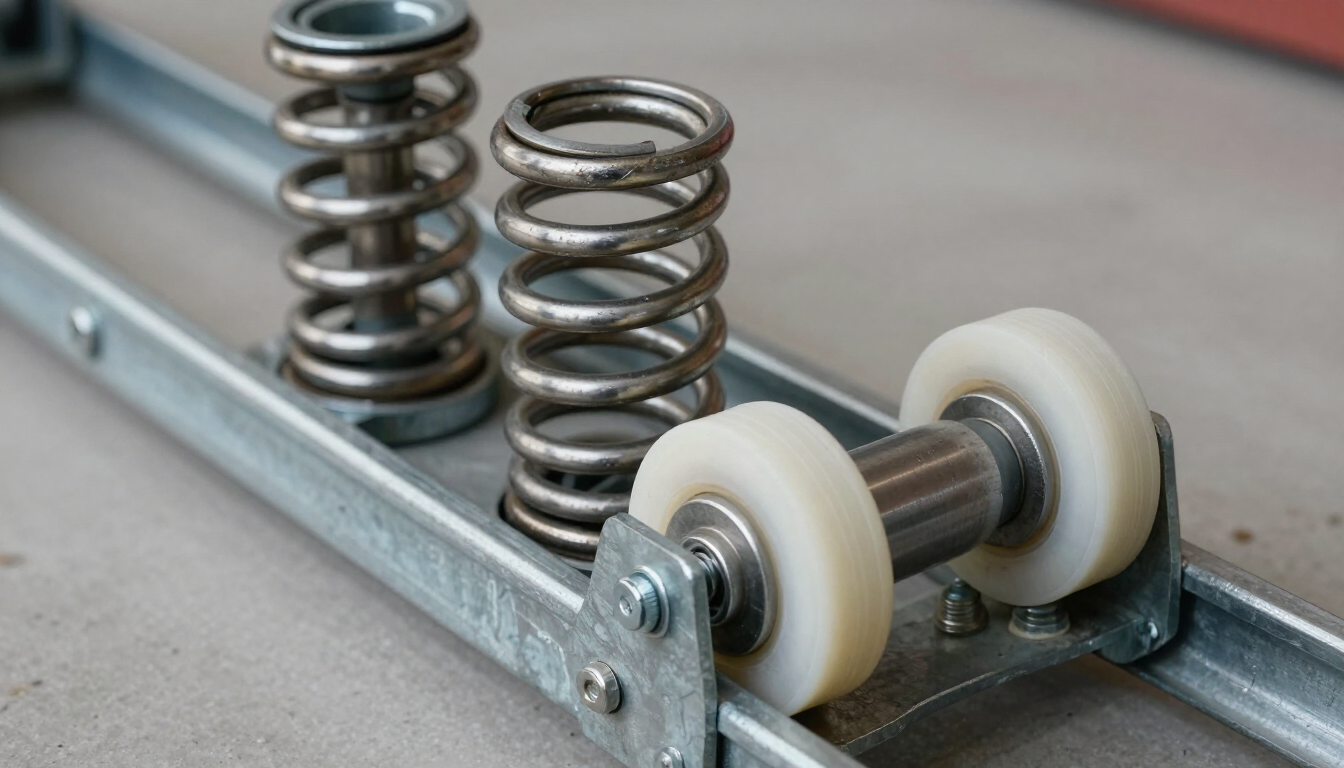
- Worn Rollers: Leads to grinding noises and shaky movement.
- Snapped Cables: A dangerous situation where the door may hang unevenly.
- Dead Opener Batteries: A simple fix that often mimics major electrical failure.
Understanding these problems helps you decide whether a quick DIY fix is possible or if you need to call the experts at Speedy G's. Often, what looks like a broken motor is actually a physical obstruction in the tracks or a sensor blocked by a simple spider web.
Why is my garage door making loud noises?
A noisy garage door is more than just an annoyance; it is a diagnostic tool. Different sounds point to different internal failures. For instance, a high-pitched squeak usually suggests that the moving parts need lubrication. Conversely, a loud banging or popping sound often signals that a spring has snapped or a coil is binding.
In the Sacramento Valley, temperature fluctuations can cause the metal components of your garage door to expand and contract. This environmental stress can lead to the following auditory symptoms:
- Grinding: Often caused by worn-out metal rollers or lack of grease.
- Squeaking: Typically indicates dry hinges or rollers.
- Rattling: Suggests loose nuts, bolts, or vibration in the tracks.
- Scraping: Likely a sign that the door is out of balance.
- Thumping: Can occur if the motor is struggling with a heavy door.
Addressing these noises early can prevent a total system failure. If you ignore a grinding sound, you might eventually burn out the motor in your garage door opener , leading to a much more expensive repair bill than a simple roller replacement would have cost.
Essential Maintenance for Long-Lasting Garage Doors
Preventative maintenance is the single best way to avoid emergency repair situations. Homeowners who dedicate just thirty minutes every six months to their garage door can extend the life of their system by years. This is especially true for the heavy-duty components found in modern services packages.
The goal of maintenance is to reduce friction and ensure balance. A perfectly balanced door should stay in place when opened halfway manually. If it slams shut or shoots upward, the spring tension is incorrect and needs adjustment.
Key maintenance tasks include:
- Lubricating Hardware: Use a lithium or silicone-based spray on all moving parts.
- Tightening Hardware: Check all brackets and bolts for looseness caused by vibration.
- Inspecting Cables: Look for fraying or signs of wear near the bottom brackets.
- Cleaning Tracks: Remove dirt and debris with a damp cloth (avoid grease here).
- Testing Safety Features: Ensure the auto-reverse function works by placing an object in the path.
Regularly performing these checks ensures that your sacramento garage door repair needs remain minimal. Maintenance isn't just about functionality; it's about the safety of your family and the security of your vehicles.
How do I know if my garage door springs are broken?
If your garage door feels incredibly heavy or the opener hums but fails to lift the door, you likely have a broken spring. Torsion springs are the "muscles" of your garage door system, doing the heavy lifting so the motor doesn't have to. When they break, it usually happens with a loud bang that can be heard throughout the house.
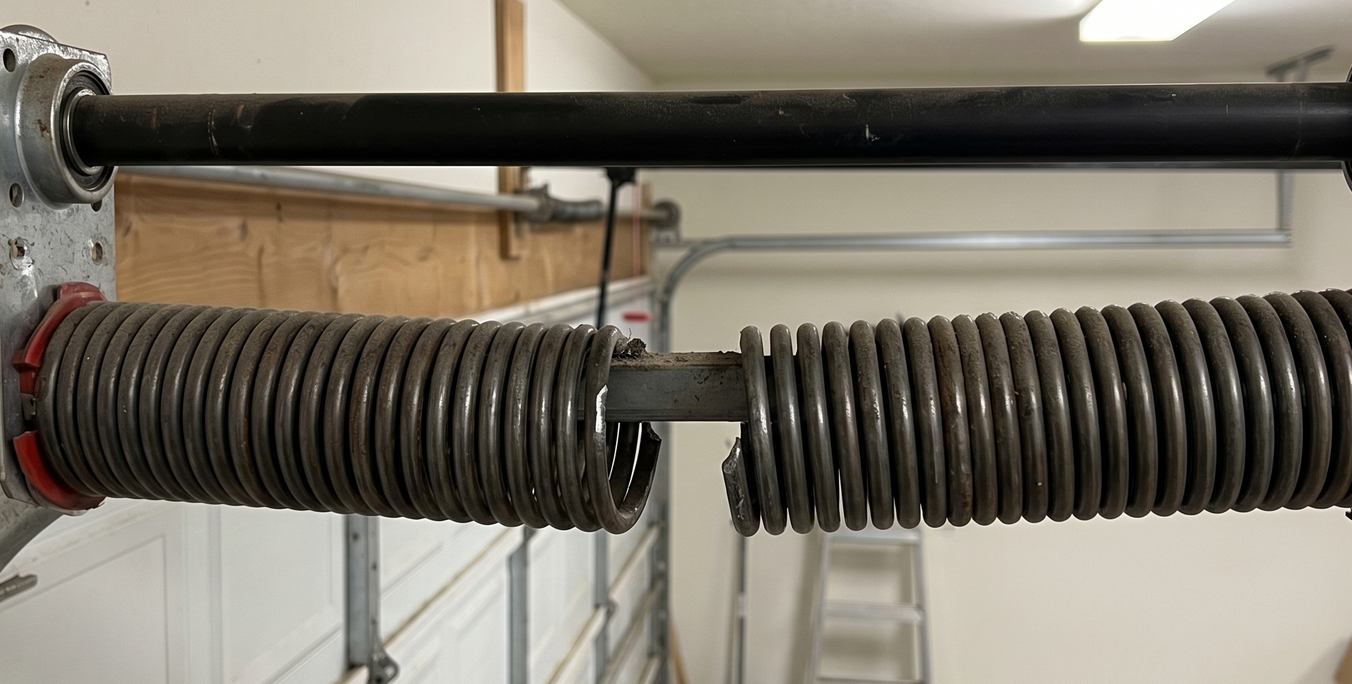
Because these springs are under extreme tension, they have a limited lifespan—usually measured in cycles (one open and one close). Once a spring reaches its cycle limit, the metal fatigues and eventually snaps. You can visually inspect the spring located above the door; if there is a visible gap in the coils, it is broken and requires garage door spring repair .
Signs of spring failure include:
- Visible Gaps: A clear break in the torsion spring coil.
- Cables Hanging: Loose or detached cables often follow a spring break.
- Jerky Movement: The door starts to lift but stops after a few inches.
- Loud Bang: Hearing a gunshot-like sound from the garage.
- Crooked Door: The door appears slanted while sitting in the tracks.
Attempting to replace these yourself is highly discouraged due to the risk of serious injury. The tension required to wind a new spring is enough to cause significant harm if the tools slip. Always consult a professional for this specific issue to ensure the door is balanced and safe for daily use.
Troubleshooting Garage Door Opener Malfunctions
Sometimes the door is fine, but the electronic brain—the opener—is malfunctioning. Common issues with openers often relate to the limit settings or the safety sensors located at the bottom of the tracks. If the door closes partway and then reverses, the sensors are likely blocked or misaligned.
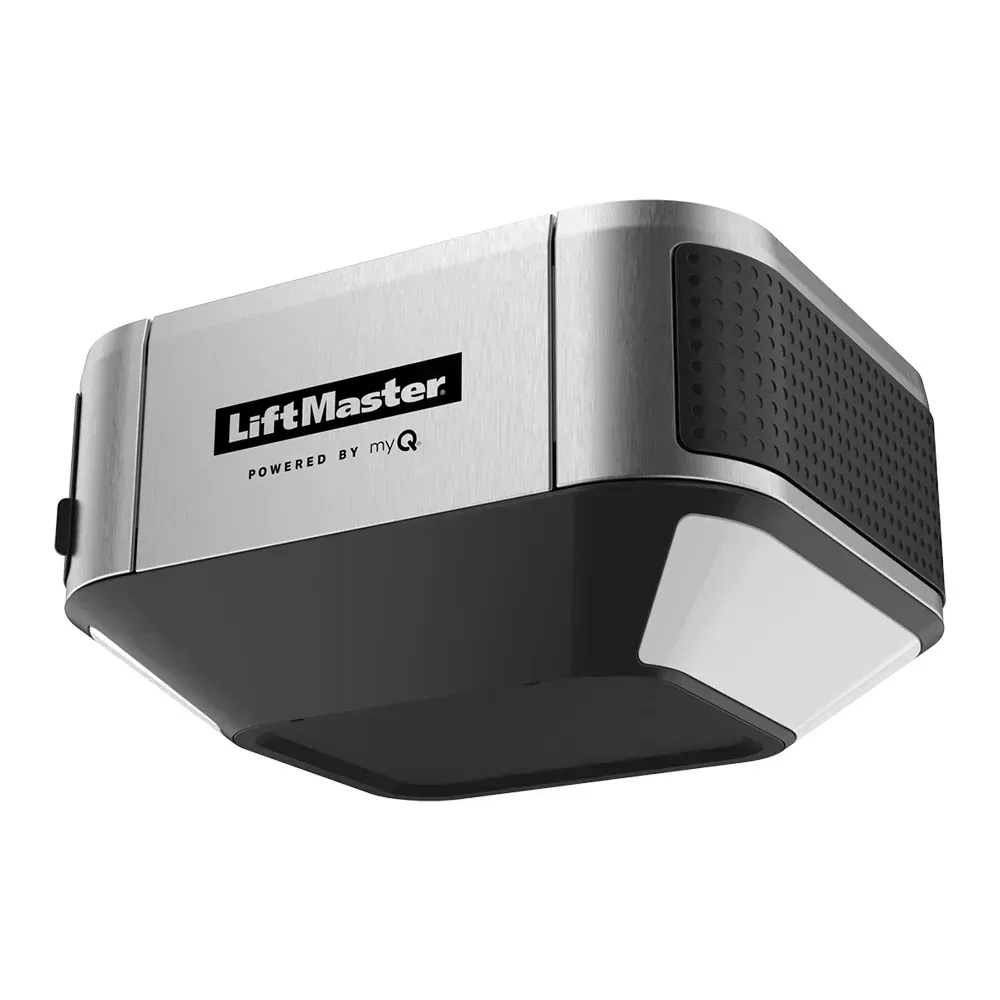
Check for a blinking light on the opener motor; this is often a diagnostic code. For example, five blinks might indicate a motor overheat, while ten blinks often point to a sensor issue. Modern openers are sophisticated pieces of technology, and troubleshooting them requires a systematic approach to power, signal, and mechanical force.
Steps for opener troubleshooting:
- Check the Remote: Replace batteries and ensure you are within range.
- Inspect Sensors: Clean the lenses and ensure the LED lights are solid.
- Test the Wall Button: If the wall button works but the remote doesn't, it’s a signal issue.
- Examine the Gear Kit: Listen for a grinding sound inside the motor housing.
- Reset Limits: Follow the manufacturer's guide to recalibrate the open/close travel distance.
If these steps do not resolve the issue, you may have a stripped drive gear or a failed logic board. In these cases, it might be more cost-effective to upgrade to a newer, quieter model with smart home integration, which you can explore in our projects gallery.
Is it safe to repair a garage door yourself?
While homeowners can handle minor tasks like lubrication, sensor cleaning, or battery replacement, many garage door repairs are inherently dangerous. The combination of high-tension springs, heavy steel panels, and electrical components creates a high-risk environment. Every year, thousands of people are injured attempting DIY garage door work without the proper winding bars or safety equipment.
Specifically, torsion springs and lift cables should never be touched by an untrained individual. These components hold enough energy to cause catastrophic injury. Furthermore, an improperly balanced door can fall unexpectedly, crushing anything beneath it. For your peace of mind and the safety of your home, professional intervention is the standard recommendation.
Signs You Need Professional Garage Door Service
Knowing when to call a technician can save you from a major breakdown. Some symptoms are subtle at first but escalate quickly. If you notice any of the following, it's time to reach out to the team at Speedy G's for a formal inspection:
- The Door is Off-Track: Do not attempt to move the door if it has jumped the rails.
- Slow Response Time: If the door takes more than a second or two to respond to the remote.
- Inconsistent Operation: The door works sometimes but fails others without explanation.
- Visible Wear on Cables: Any fraying or corrosion is a red flag.
- Sagging Sections: Indicates structural failure of the door panels themselves.
You can find more information on specific symptoms in our garage door FAQs . Timely repairs not only keep your home secure but also maintain the curb appeal and value of your Elk Grove property.
Summary of Common Garage Door Solutions
Addressing garage door issues effectively requires a blend of regular maintenance and professional expertise. By staying proactive with lubrication and sensor checks, you can prevent many of the most frustrating malfunctions. However, when mechanical parts like springs or cables fail, safety must be the priority.
Key Takeaways for Elk Grove Homeowners:
- Prioritize Safety: Never attempt to adjust torsion springs or cables without professional training.
- Listen to the Door: Use sounds (grinding, popping, squeaking) to diagnose issues early.
- Maintain Regularly: Lubricate every six months to double the lifespan of your rollers and hinges.
- Check Sensors First: Many "broken" doors are simply caused by misaligned photo-eyes.
- Seek Local Expertise: For reliable results, use a local service like Speedy G's to handle complex repairs.
If you are currently experiencing issues or want to schedule a preventative tune-up, visit our Contact page today to speak with a specialist. Our team is dedicated to keeping Elk Grove's garage doors moving smoothly and safely all year round.
Recent Posts